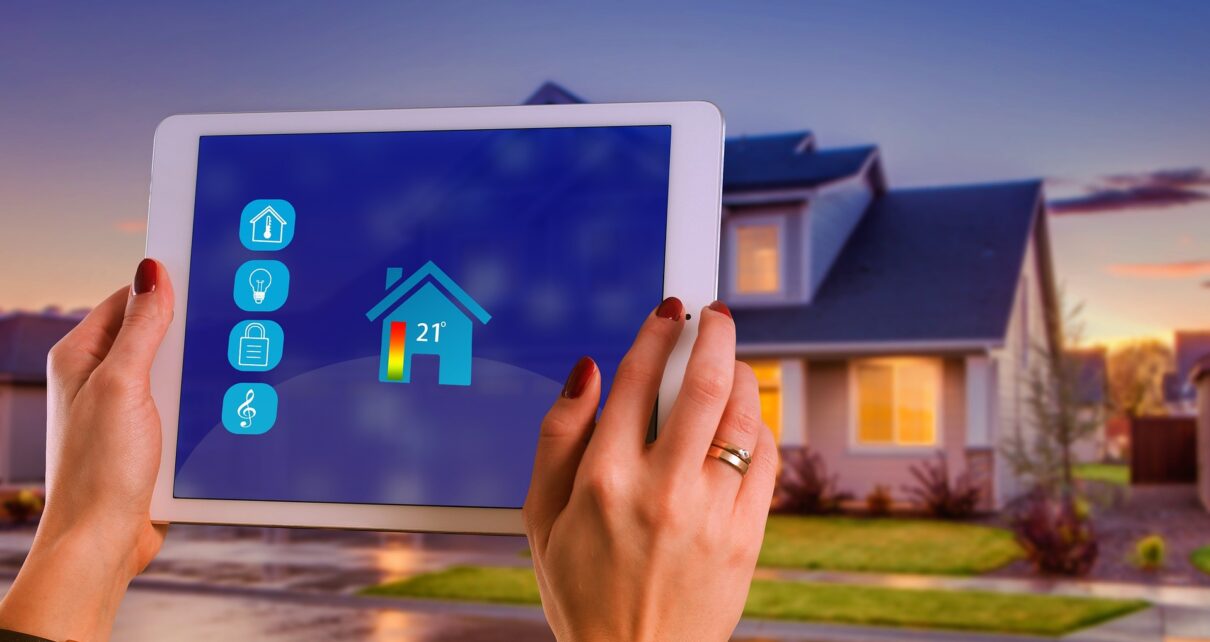
Smart home technology has transformed the way we live, offering convenience, efficiency, and enhanced security. Modern households now have access to devices that streamline daily routines, improve energy usage, and even provide entertainment in innovative ways. Investing in smart home devices can make life easier, save money, and add value to a property. However, selecting the right devices can be overwhelming given the variety on the market. Understanding which smart home tools provide the most benefit helps homeowners create a connected and practical living environment. This article explores essential smart home devices every modern household should consider.
Smart Thermostats

Smart thermostats are a cornerstone of home automation. They learn household routines and adjust temperatures automatically for comfort and efficiency. By optimizing heating and cooling schedules, these devices reduce energy consumption and lower utility bills. Many models allow remote control via smartphone apps, ensuring the home is always at the ideal temperature. Beyond convenience, smart thermostats provide insights into energy usage, helping homeowners make informed decisions. This combination of control and efficiency makes them a valuable addition to any modern home.
Smart Lighting Systems
Lighting is more than just illumination; it shapes the atmosphere of a home. Smart lighting systems allow homeowners to control brightness, color, and schedules from anywhere. Motion sensors can activate lights in specific areas, enhancing both safety and convenience. These systems also contribute to energy savings by automatically turning off lights when rooms are unoccupied. Integration with voice assistants or mobile apps creates a seamless experience. Smart lighting adds comfort, aesthetic appeal, and energy efficiency, making it a practical upgrade for modern households.
Smart Security Devices
Home security has evolved with technology. Smart cameras, doorbells, and sensors allow homeowners to monitor their property in real-time. Alerts and notifications inform users of unusual activity, while remote access provides peace of mind even when away from home. Some devices include facial recognition or motion tracking, offering enhanced safety and protection. Smart security systems can be integrated with other home devices, ensuring a coordinated approach to safety. For households seeking protection and convenience, these devices are essential.
Smart Locks
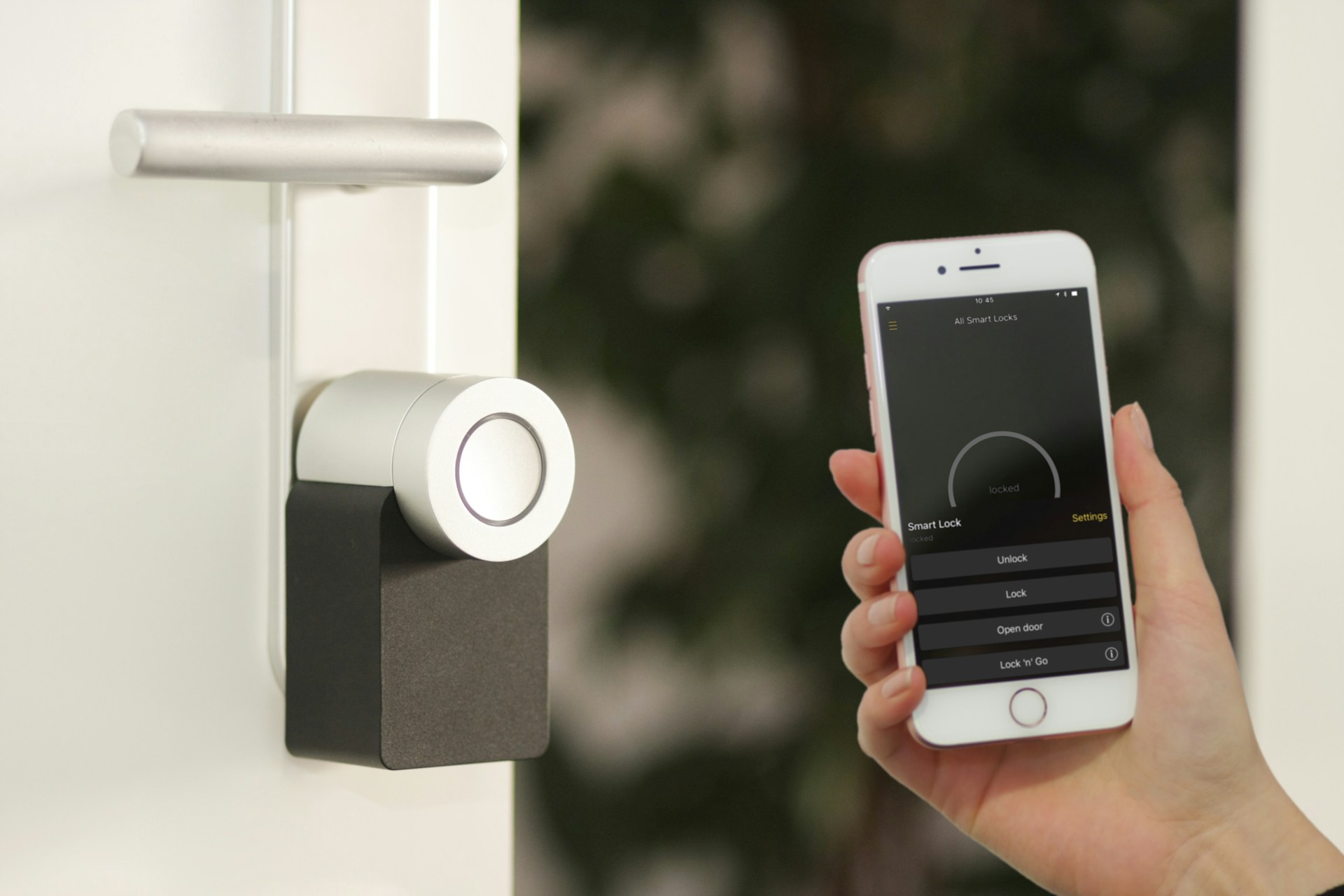
Traditional keys are becoming less common as smart locks gain popularity. These devices provide keyless entry and allow homeowners to control access remotely. Temporary codes can be issued to guests or service providers, ensuring secure access without sharing physical keys. Smart locks also log entry and exit activity, offering an additional layer of security. This feature is particularly useful for busy households or homes with frequent visitors. Smart locks combine convenience, control, and safety in a single device.
Smart Appliances
Kitchen and laundry appliances have also embraced smart technology. Smart refrigerators can track groceries, suggest recipes, and alert users when items are running low. Smart ovens and microwaves offer remote control and precise cooking schedules. Laundry machines provide notifications when cycles are complete, helping households manage chores efficiently. Smart appliances combine time-saving features with practical benefits, creating a more streamlined home environment. Their convenience and integration make them increasingly desirable in modern households.
Smart Plugs and Outlets
Smart plugs and outlets provide a simple way to automate existing devices. By connecting lamps, fans, or other appliances, users can control them remotely or schedule operation times. This enhances energy efficiency and convenience without replacing current equipment. Some models track energy usage, allowing households to make informed decisions about consumption. Smart plugs are a cost-effective entry point into home automation, offering immediate benefits while supporting long-term integration with other devices.
Smart Speakers and Voice Assistants
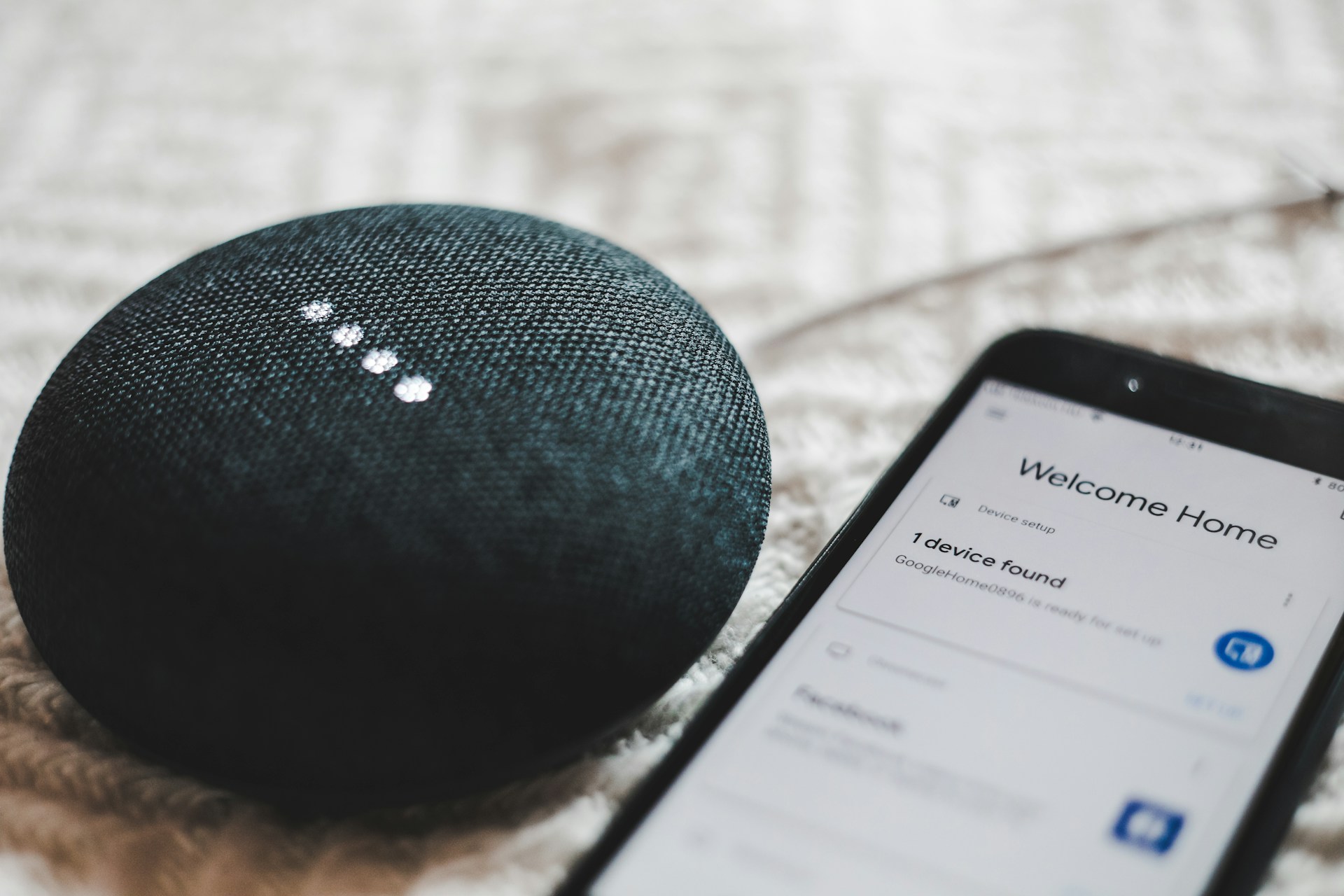
Voice-controlled smart speakers have become a central hub in many homes. They allow users to play music, control devices, set reminders, and access information hands-free. Integration with other smart home devices makes managing a connected home effortless. These assistants provide convenience for everyday tasks, such as adjusting lights, setting alarms, or controlling thermostats. Beyond functionality, smart speakers can serve as a central entertainment hub, linking music, news, and podcasts seamlessly into daily life.
Smart Home Hubs
A smart home hub unifies multiple devices into a single system. Hubs provide centralized control and improve the efficiency of automation routines. By linking thermostats, lighting, security, and appliances, homeowners can manage the entire home from one interface. This integration ensures that devices work together smoothly, creating a more cohesive and user-friendly experience. Smart home hubs also support remote access and voice control, enhancing convenience. For households looking to fully embrace automation, a hub is an indispensable component.
Smart home devices offer a unique opportunity to enhance comfort, efficiency, and security in modern households. Thermostats, lighting, security systems, and smart locks provide convenience and peace of mind. Appliances, plugs, and speakers streamline daily routines, while hubs tie the entire system together. These devices not only simplify life but can also improve energy efficiency and property value. Thoughtful selection and integration of smart technology ensure a connected home that meets the needs of today’s homeowners. Embracing these tools creates a living environment that is both practical and forward-thinking.