
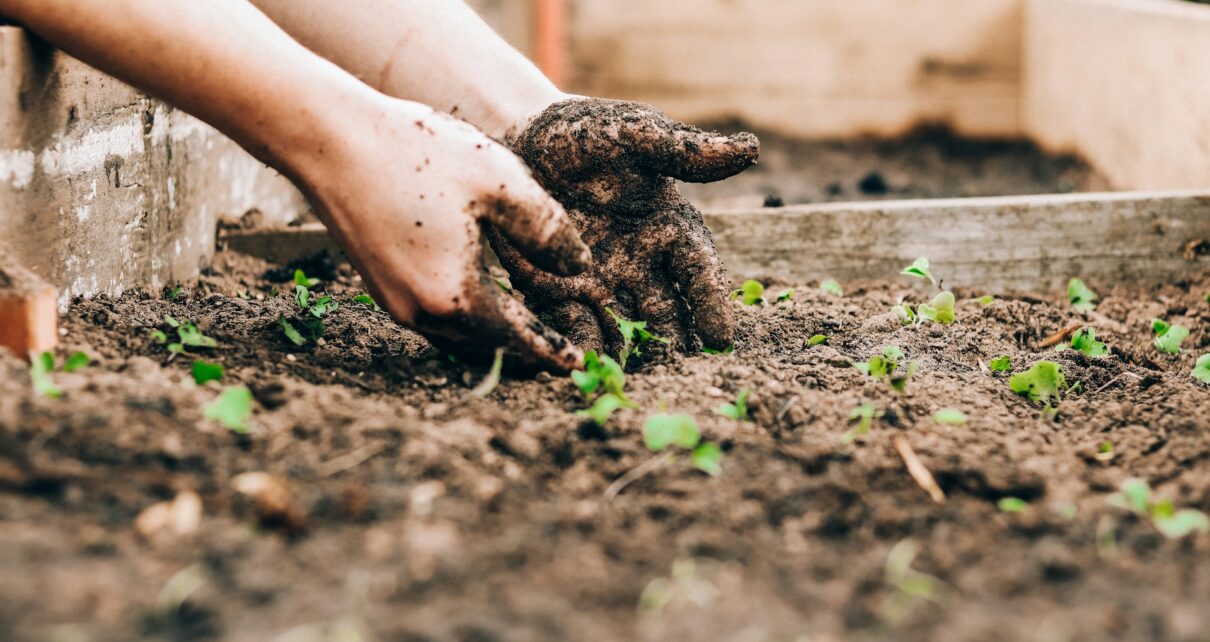
Starting a garden can be exciting, especially when you imagine growing beautiful flowers, fresh vegetables, or your own little green paradise. However, if you’re new to gardening, things don’t always go as planned. You might plant seeds with excitement, water them every day, and still wonder why your plants aren’t growing as expected. The truth is, gardening takes a little patience, practice, and knowledge. Even small mistakes can affect how well your plants grow. The good news is that most beginner gardening mistakes are easy to avoid once you know what to look out for. Whether you’re planning a small backyard garden, growing vegetables in containers, or adding flowers to your outdoor space, here are some common gardening mistakes you should avoid.
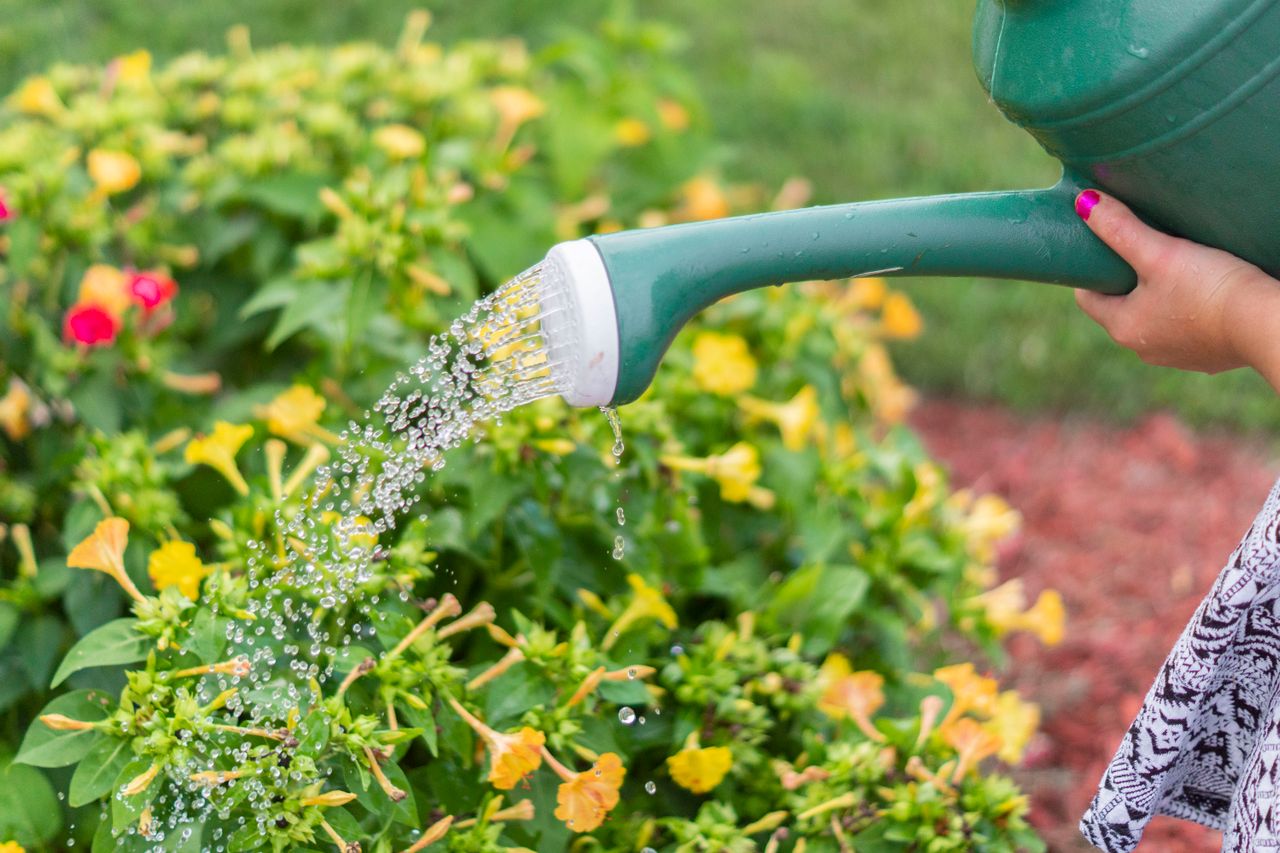
Overwatering Your Plants
One of the biggest mistakes beginners make is giving their plants too much water. It’s easy to assume that watering every day will help plants grow faster, but too much water can actually damage their roots and encourage root rot. Different plants have different watering needs, depending on their type, size, soil, and weather conditions. Before watering, check whether the soil is already moist. If the top layer still feels wet, you may need to wait. Remember, healthy plants need the right amount of water, not necessarily more water.
Choosing the Wrong Plants for Your Environment
Not every plant will thrive in every garden. Some plants need plenty of direct sunlight, while others grow better in shaded areas. Temperature, humidity, rainfall, and soil conditions also affect plant growth. Before buying seeds or seedlings, take time to understand your local growing conditions. Choose plants suited to your climate and the amount of sunlight available in your garden. If you’re a beginner, start with relatively easy-to-grow plants rather than varieties that require complicated care.
Ignoring Soil Quality
Good soil is the foundation of a healthy garden. Unfortunately, many beginners focus so much on choosing plants that they forget to prepare the soil properly. Poor-quality soil may lack the nutrients and structure plants need to develop strong roots. Before planting, check your soil condition and consider adding compost or other suitable organic matter to improve it. Well-prepared soil supports healthy growth, helps manage moisture, and gives your plants a better chance of thriving.
Planting Too Many Things at Once
When you first start gardening, it’s tempting to buy lots of seeds, flowers, and vegetables. You might want to grow everything at once, but taking on too much can quickly become overwhelming. Every plant has different needs, and caring for several varieties requires time and attention. Start with a small garden and choose a few plants you genuinely enjoy. Once you understand how to care for them, you can gradually introduce more varieties. Starting small makes gardening easier to manage and helps you learn without unnecessary pressure.
Forgetting About Sunlight Requirements
Sunlight is essential for plant growth, but not every plant needs the same amount. Some vegetables and flowering plants need several hours of direct sunlight, while others prefer partial shade. Planting sun-loving varieties in dark corners can affect their growth and reduce flowering or harvests. Before choosing a planting location, observe how sunlight moves through your garden during the day. Check each plant’s light requirements and position them accordingly. Getting this right from the beginning can save you …